
In today’s hyper-connected world, cultural boundaries are becoming increasingly fluid. What once felt distant and unfamiliar is now accessible with just a few clicks or taps. Cultural globalization refers to the spread, exchange, and integration of ideas, values, traditions, and cultural products across nations and societies. It is a powerful force that shapes how people live, communicate, and perceive the world around them.
This phenomenon is not entirely new. Trade routes, migration, and conquests have historically facilitated cultural exchange. However, the scale and speed at which culture now travels are unprecedented. Thanks to advancements in technology, transportation, and communication, cultural globalization has become a defining characteristic of the 21st century.
Understanding Cultural Globalization
Cultural globalization is more than just the exchange of food, music, or fashion. It involves the blending of identities, the reshaping of traditions, and the creation of new cultural expressions. It allows individuals to experience lifestyles and ideas from across the globe without leaving their homes.
For example, a teenager in Bangladesh can listen to American hip-hop, watch Korean dramas, and enjoy Italian pizza—all in a single day. This blending of cultures creates a shared global experience while also influencing local customs and practices.
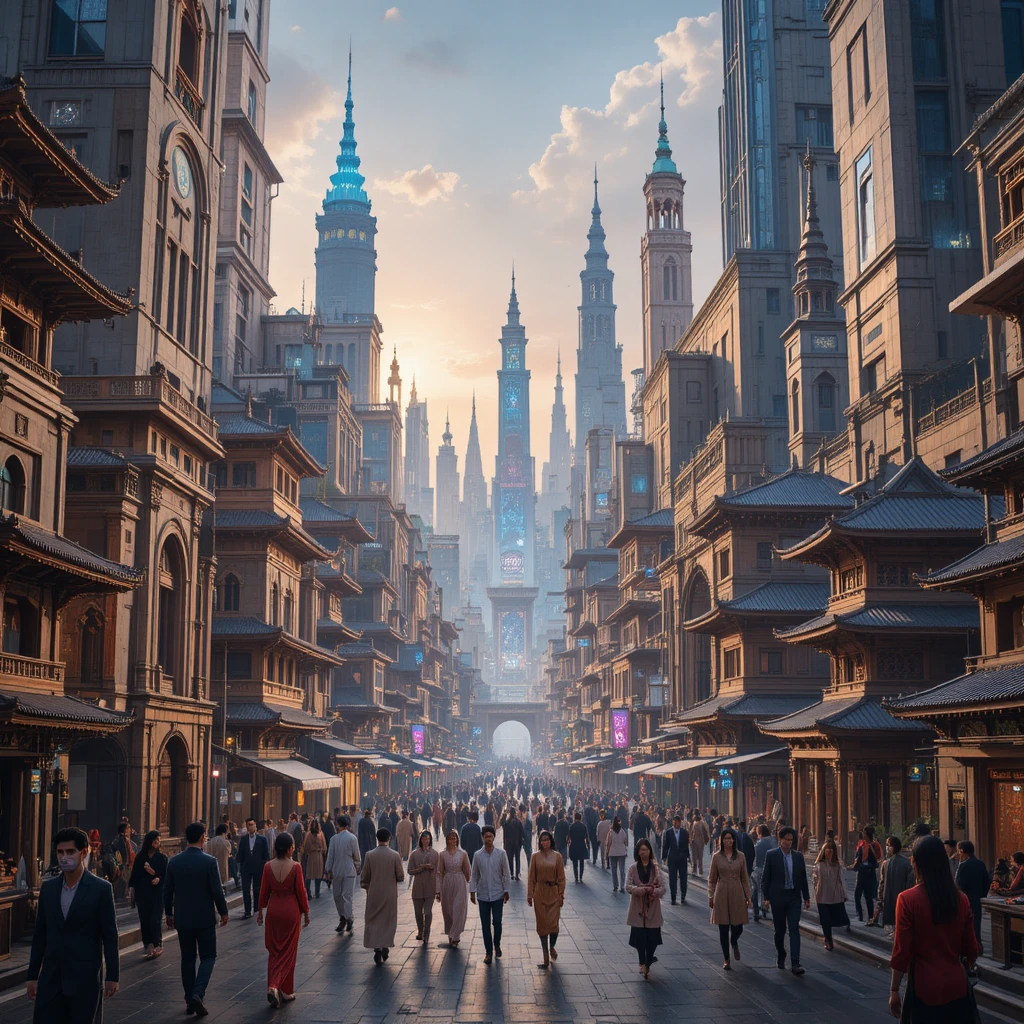
At its core, cultural globalization is driven by curiosity and connectivity. People are naturally inclined to explore new ideas and adopt practices that resonate with them. As a result, cultures evolve, adapt, and sometimes merge.
The Role of Technology
Technology plays a central role in accelerating cultural globalization. The internet, social media, and streaming platforms have transformed how culture is created and consumed.
Platforms like video-sharing sites, social networks, and online marketplaces enable creators to reach global audiences instantly. A dance trend, meme, or song can go viral worldwide within hours. This rapid spread of content contributes to a shared cultural consciousness.
Additionally, communication tools allow people from different backgrounds to interact directly. Language barriers are gradually diminishing due to translation tools and multilingual content. This ease of communication fosters cross-cultural understanding and collaboration.
Media and Entertainment as Cultural Bridges
The global entertainment industry is one of the most visible drivers of cultural globalization. Movies, television shows, music, and digital content cross borders effortlessly, introducing audiences to new perspectives and lifestyles.
Hollywood films, K-pop music, Bollywood productions, and international streaming series have gained massive global followings. These cultural exports not only entertain but also influence fashion, language, and behavior.
For instance, Korean pop culture has significantly impacted global fashion trends and beauty standards. Similarly, Western media has shaped global perceptions of lifestyle and modernity. The exchange is not one-sided; local cultures also influence global trends, creating a dynamic cultural flow.
Food: A Universal Language
Food is one of the most tangible examples of cultural globalization. Culinary traditions travel across borders, adapting to local tastes while retaining their essence.
International cuisines are now widely available in cities around the world. Sushi, burgers, pasta, and street food from various cultures have become part of everyday dining experiences in many countries. This exchange not only introduces new flavors but also fosters appreciation for different cultures.
Fusion cuisine is another outcome of cultural globalization. Chefs combine elements from different culinary traditions to create innovative dishes, reflecting the blending of cultures.
Language and Communication
Language is both a barrier and a bridge in cultural globalization. While English has emerged as a dominant global language, local languages continue to thrive and influence global communication.
The spread of global languages facilitates international business, education, and collaboration. At the same time, cultural globalization encourages the learning and preservation of diverse languages.
Digital platforms often feature multilingual content, allowing users to engage with different cultures in their original form. Subtitles, dubbing, and translation tools make it easier for people to access content from around the world.
Cultural Identity in a Globalized World
One of the most debated aspects of cultural globalization is its impact on cultural identity. Critics argue that globalization can lead to cultural homogenization, where local traditions are overshadowed by dominant global cultures.
However, the reality is more complex. While some traditions may fade, others are revitalized and shared with a global audience. Cultural globalization can strengthen identity by giving people a platform to showcase their heritage.
For example, traditional music, crafts, and festivals can gain international recognition through digital exposure. This visibility can lead to renewed interest and preservation efforts.
Economic Implications
Cultural globalization has significant economic benefits. It creates opportunities for cultural industries such as entertainment, tourism, fashion, and food.
Countries can export their cultural products, generating revenue and enhancing their global influence. Tourism also benefits, as people travel to experience different cultures firsthand.
However, economic disparities can influence which cultures dominate the global stage. Wealthier nations often have greater resources to promote their cultural products, leading to an imbalance in cultural representation.
Challenges and Criticisms
Despite its many benefits, cultural globalization is not without challenges. One major concern is the loss of cultural diversity. As global trends spread, unique local traditions may be replaced or diluted.
There is also the issue of cultural appropriation, where elements of a culture are adopted without proper understanding or respect. This can lead to misrepresentation and exploitation.
Additionally, the dominance of certain cultures can create a sense of cultural imperialism, where one culture imposes its values on others. This can lead to resistance and efforts to preserve cultural independence.
The Role of Education
Education plays a crucial role in shaping how individuals engage with cultural globalization. By promoting cultural awareness and sensitivity, education can help people appreciate diversity while respecting differences.
Schools and universities increasingly incorporate global perspectives into their curricula. Students are encouraged to learn about different cultures, histories, and traditions.
Exchange programs, international collaborations, and online learning platforms further enhance cross-cultural understanding. These experiences prepare individuals to navigate a globalized world.
Cultural Globalization and Youth
Young people are at the forefront of cultural globalization. They are more likely to adopt new trends, experiment with identities, and engage with global content.
Social media platforms allow youth to express themselves and connect with peers worldwide. This creates a sense of global community while also influencing local cultures.
However, this exposure also raises questions about authenticity and identity. Young people must balance global influences with their cultural roots, creating a unique blend of identities.
The Future of Cultural Globalization
Cultural globalization is an ongoing process that will continue to evolve. As technology advances, the ways in which culture is shared and experienced will become even more dynamic.
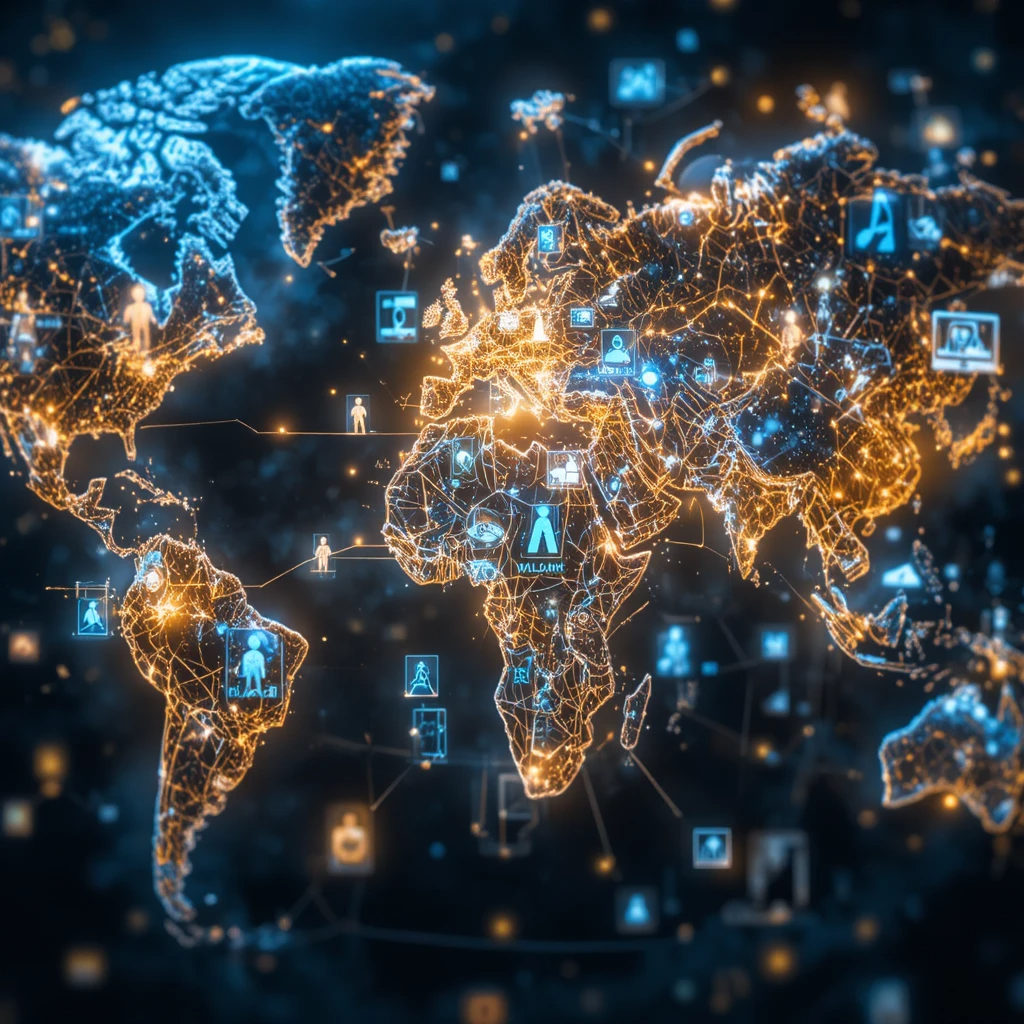
Virtual reality, artificial intelligence, and immersive technologies have the potential to transform cultural exchange. People may soon be able to experience different cultures in entirely new ways, from virtual travel to interactive storytelling.
At the same time, there is a growing emphasis on preserving cultural heritage. Governments, organizations, and communities are working to protect traditions while embracing global influences.
Frequently Asked Questions
What is cultural globalization in simple terms?
Cultural globalization is the sharing and blending of ideas, traditions, and lifestyles across countries. It happens through media, travel, and technology. This process connects people and creates common cultural experiences worldwide.
How does cultural globalization affect local cultures?
It can introduce new ideas while influencing traditional practices. Some local customs may change or adapt over time. At the same time, it can also help preserve and promote cultures globally.
What are the main drivers of cultural globalization?
Technology, the internet, and global media are major drivers. International travel and trade also play important roles. Social media platforms accelerate how quickly culture spreads.
Is cultural globalization good or bad?
It has both positive and negative effects depending on how it is experienced. It promotes understanding and diversity but may risk cultural loss. Balance is key to benefiting from it.
How can people protect their cultural identity in a globalized world?
By practicing traditions and passing them to future generations. Staying connected to language, customs, and values is important. At the same time, people can respectfully engage with other cultures.
Conclusion
Cultural globalization is reshaping the world in profound ways. It connects people, spreads ideas, and creates opportunities for collaboration and innovation. While it presents challenges, it also offers immense potential for growth and understanding.
As cultures continue to interact and evolve, the world becomes a richer and more diverse place. By embracing cultural globalization with awareness and respect, we can build a future that celebrates both unity and diversity.
In the end, cultural globalization is not about losing identity—it is about expanding it.
