
Digital Entertainment Trends are reshaping the way billions of people around the world enjoy their free time, as new platforms, technologies, and viewing habits evolve at a pace that’s hard to follow.
There was a time when entertainment choices were limited—flipping through a few TV channels or playing music from a stack of CDs felt normal. Today, that reality has completely transformed. We are experiencing one of the most significant shifts in how content is created, distributed, and consumed since television first entered our homes.
If the constant rise of new streaming services, social media platforms, and content formats feels overwhelming, that’s completely understandable. The entertainment world has become highly fragmented, making it difficult even for experts to anticipate what the future holds.
Why Understanding Digital Entertainment Trends Matters Right Now
The digital entertainment ecosystem is no longer just about watching movies or listening to music. It has become an interconnected web of streaming, gaming, social media, and interactive content experiences.
Over the last few years, the industry has shifted from rapid expansion to consolidation and optimization. Platforms are now focusing on profitability, user retention, and content differentiation rather than just subscriber growth.
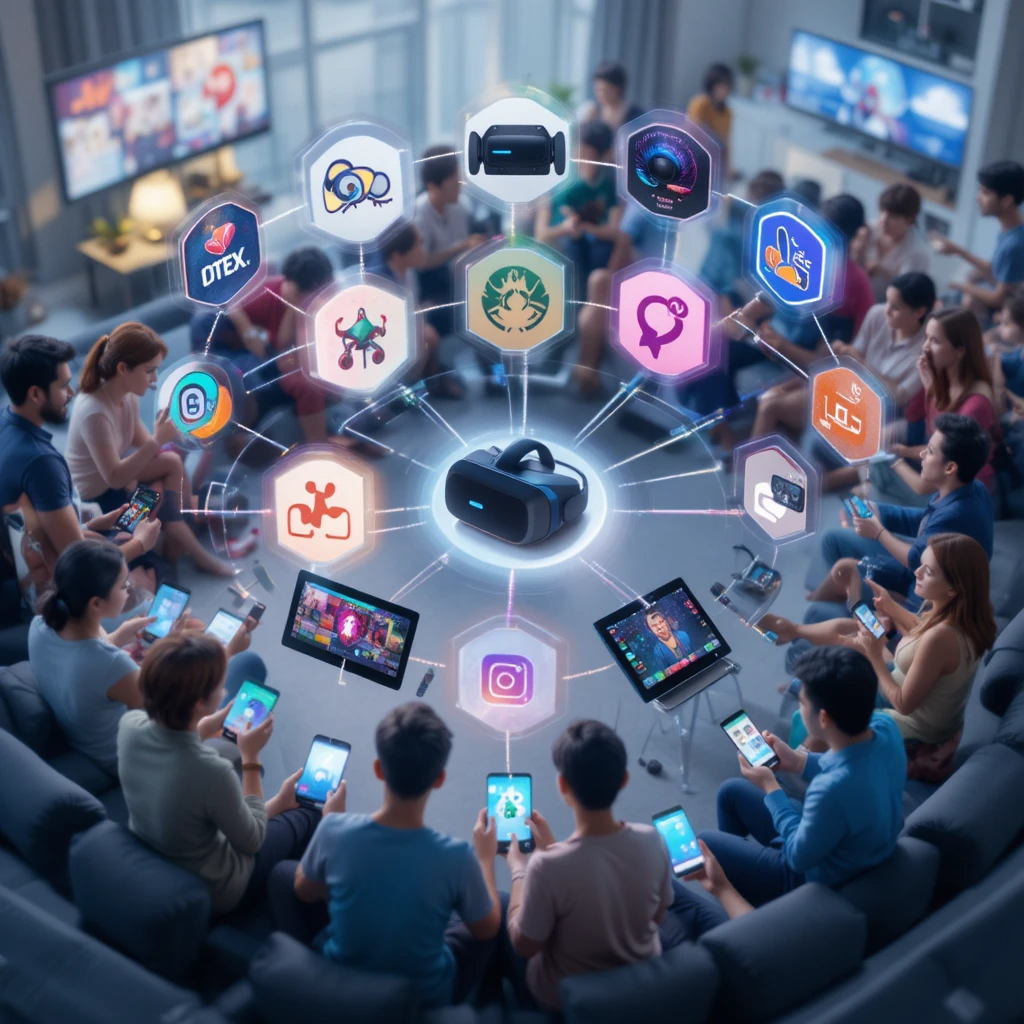
Major changes include:
- Rising subscription prices across streaming platforms
- Increased focus on ad-supported viewing models
- Content fragmentation across multiple platforms
- Shift from binge-watching to scheduled or episodic releases
- Growing dominance of short-form and algorithm-driven content
The average household now manages multiple subscriptions across entertainment services, often spending more than traditional cable packages once cost. In many ways, digital entertainment has not replaced old systems—it has recreated them in a more complex form.
The Rise of Algorithm-Driven Entertainment
One of the most powerful shifts in digital entertainment is the rise of algorithms deciding what we watch, listen to, and even play.
Instead of actively searching for content, users are now served endless personalized feeds designed to maximize engagement time. This has fundamentally changed the psychology of entertainment consumption.
Platforms like short-video apps, streaming services, and social networks use behavioral data to:
- Predict what users want before they search
- Adjust recommendations in real time
- Prioritize emotionally engaging content
- Maximize screen time over intentional viewing
This shift has made entertainment more addictive, more personalized, and more passive at the same time.
The Dominance of Short-Form Content
Short-form content is one of the most disruptive forces in modern entertainment. Videos lasting just seconds or minutes now compete directly with full-length films and TV shows.
This format has reshaped attention spans, content production, and even storytelling styles.
Key characteristics of short-form entertainment:
- Videos typically range from 10 seconds to 3 minutes
- Highly optimized for mobile consumption
- Instant engagement within the first few seconds
- Algorithm-based discovery instead of subscription browsing
- High creator accessibility with minimal production barriers
But this trend is not simply about shorter attention spans. It reflects a deeper shift toward fast, diverse, and highly personalized content consumption.
Users now prefer sampling many different experiences rather than committing to a single long-form narrative.
Interactive and Immersive Entertainment Is Growing
Entertainment is no longer passive. Audiences increasingly want to participate, influence, and shape what they consume.
Interactive storytelling, live experiences, and immersive digital environments are becoming more common.
Examples include:
- Choose-your-own-adventure style films
- Live-streamed events with audience participation
- Virtual concerts inside gaming platforms
- Augmented reality experiences in mobile apps
Gaming platforms have become central to this transformation. They are no longer just games—they are social entertainment hubs.
Gaming and Entertainment Are Converging
Gaming has evolved into one of the most influential entertainment industries in the world. It is now merging with music, film, sports, and social media.
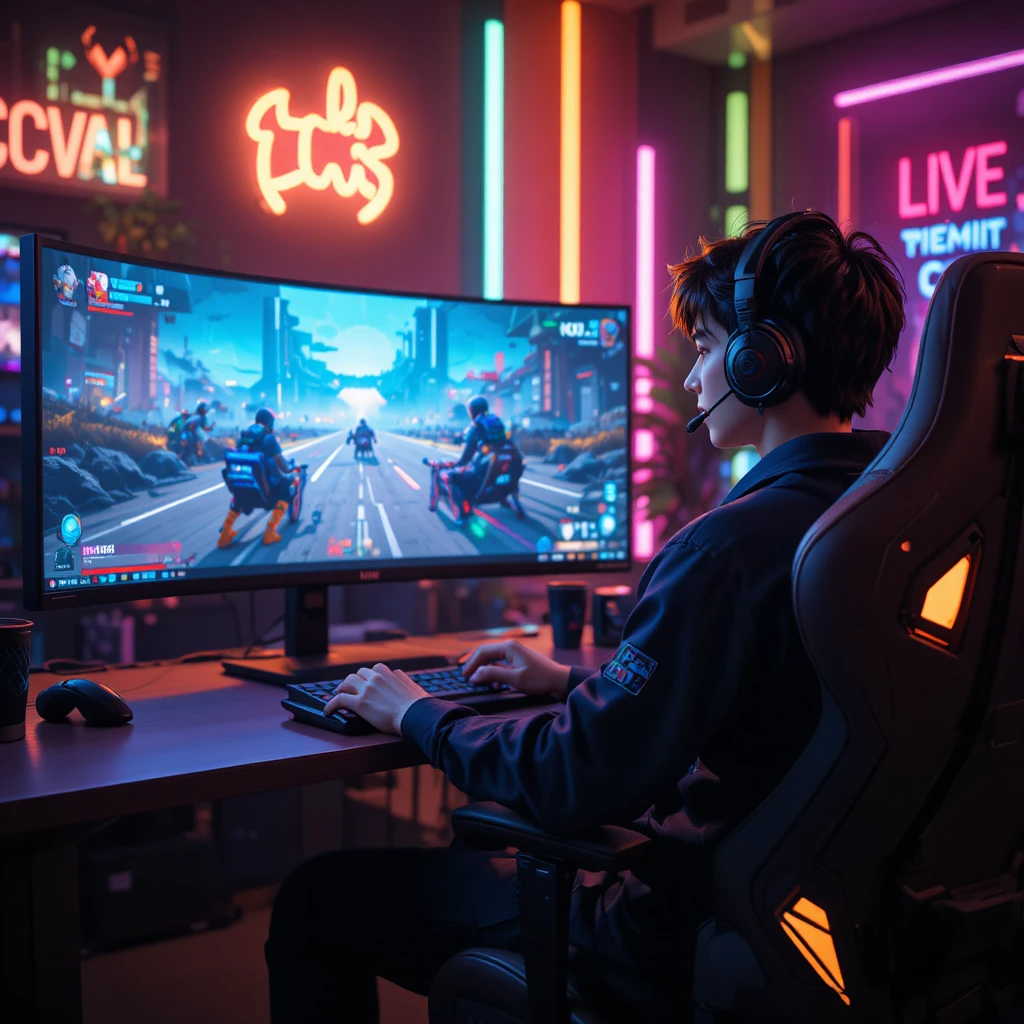
Massive virtual events have demonstrated this shift clearly. Millions of users now attend concerts, premieres, and social gatherings inside gaming environments.
This convergence is powerful because it combines:
- Entertainment
- Social interaction
- Real-time participation
- User-generated creativity
Unlike traditional media, gaming environments allow audiences to become part of the experience instead of just observers.
The Creator Economy Explosion
The creator economy has transformed individuals into global media companies. Content creators now compete directly with traditional studios and networks.
Platforms that support direct monetization have enabled this shift by removing middle layers between creators and audiences.
Major features of the creator economy:
- Direct fan subscriptions
- Brand sponsorships and collaborations
- Multi-platform content distribution
- Community-driven monetization
- Independent production without studios
Today, even small creators can build highly profitable businesses by targeting niche audiences. The power dynamic has shifted away from corporations toward individuals with loyal communities.
Traditional vs Digital Entertainment Models
The differences between old and new entertainment systems are significant. The table below highlights how deeply the industry has changed:
| Aspect | Traditional Entertainment | Digital Entertainment |
| Distribution | Scheduled broadcasts and theatrical releases | On-demand, algorithm-driven access |
| Content Creation | Studio-controlled production | Independent creator ecosystems |
| Monetization | Advertising, box office, cable fees | Subscriptions, ads, microtransactions |
| Audience Role | Passive viewers | Interactive participants |
| Discovery | Program schedules and channels | Personalized recommendation systems |
| Success Metrics | Ratings and box office revenue | Engagement, retention, virality |
This comparison shows why traditional systems struggle to compete. Digital entertainment operates in an environment where attention is the most valuable currency.
The Role of Artificial Intelligence in Entertainment
Artificial intelligence is becoming deeply embedded in entertainment systems. It influences what we watch, how content is created, and even how stories are written.
AI is currently used for:
- Personalized recommendations
- Content tagging and organization
- Automated video editing
- Script and music generation
- Audience behavior prediction
In the near future, AI may help generate fully personalized entertainment experiences tailored to individual users in real time.
Imagine watching a movie that subtly adapts its storyline based on your reactions, preferences, or emotional responses. That future is no longer theoretical—it is under development.
Digital Entertainment Trends Shaping the Future
Several key trends are defining where the industry is heading next.
1. Hyper-Personalization
Entertainment will increasingly be customized for each individual. No two users will experience the same version of content in many cases.
2. Hybrid Content Formats
Movies, games, social media, and live events are blending into unified experiences rather than separate categories.
3. Community-Centered Platforms
Entertainment is becoming more social. Communities now matter as much as content itself.
4. Subscription Saturation
Users are becoming more selective about subscriptions as costs rise and content becomes fragmented.
5. Creator-Led Media
Independent creators will continue to replace traditional studios as primary content producers.
Real-World Examples of Digital Transformation
Several platforms and innovations illustrate how deeply entertainment has changed.
Live Streaming Platforms
Live streaming has turned everyday content into interactive entertainment. Audiences now participate in real time through chat, donations, and reactions.
Web-Based Comics and Storytelling
Digital-first storytelling formats have transformed traditional comics into mobile-optimized experiences designed for scrolling and instant engagement.
Community Platforms
Online communities now function as entertainment ecosystems where users consume, create, and interact simultaneously.
Challenges in the Digital Entertainment Era
Despite its growth, the digital entertainment landscape faces several challenges:
- Overwhelming content overload
- Subscription fatigue among users
- Declining attention spans
- Increasing platform fragmentation
- Algorithm-driven echo chambers
Users often struggle to find meaningful content in a sea of endless options. At the same time, creators face intense competition for visibility.
The Future of Entertainment Experience
Entertainment is moving toward a future defined by immersion, interaction, and personalization. However, the direction it takes will depend on how users balance convenience with control.
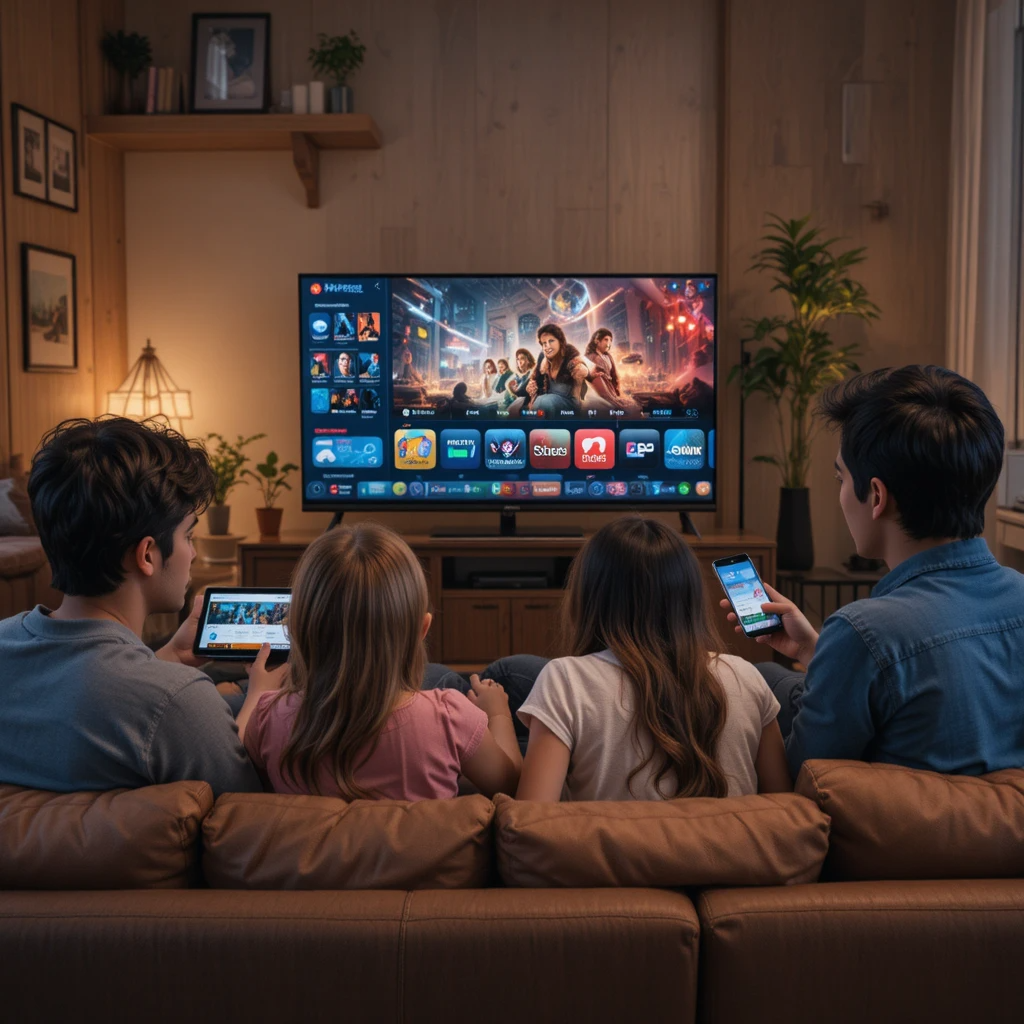
Possible developments include:
- Fully interactive narrative experiences
- AI-generated personalized movies and music
- Virtual worlds as primary social spaces
- Seamless integration of physical and digital entertainment
The line between reality and digital experience will continue to blur.
Frequently Asked Questions
What are the biggest digital entertainment trends in 2026?
Short-form video and interactive experiences dominate, with AI personalization and gaming-streaming hybrids leading growth. Social platforms now rival traditional streaming for Gen Z attention.
Why are streaming services raising prices?
Platforms seek profitability after heavy content spending, adding ads and cracking down on password sharing. Users face fragmented content across multiple subscriptions costing $70+ monthly.
How is short-form content changing entertainment?
TikTok-style videos (15-60 seconds) enable algorithm-driven discovery over scheduled viewing. Users sample more content efficiently, boosting engagement over traditional long-form media.
Will interactive VR/AR replace traditional movies?
Not replace, but enhance—virtual concerts in Fortnite show hybrid appeal combining social connection with immersion. Passive viewing evolves into participatory “story-living” experiences.
How can creators succeed in digital entertainment?
Build niche communities across platforms like Patreon and YouTube, diversifying income via subscriptions and sponsorships. Authenticity and consistent multi-platform strategies outperform polished studio content.
Conclusion
Digital entertainment is no longer just about watching or playing—it’s about experiencing, interacting, and connecting. From AI-driven personalization to the explosive growth of short-form video, gaming, and the creator economy, the industry is evolving faster than ever. Audiences now expect content that is instant, engaging, and tailored specifically to their preferences.
For businesses, marketers, and creators, this shift presents both challenges and opportunities. Success depends on staying agile, embracing new technologies, and understanding how user behavior continues to change across platforms. Those who can blend creativity with data-driven strategies will be best positioned to thrive.
The future will not be defined by a single platform or technology, but by millions of creators and users shaping experiences together in real time.