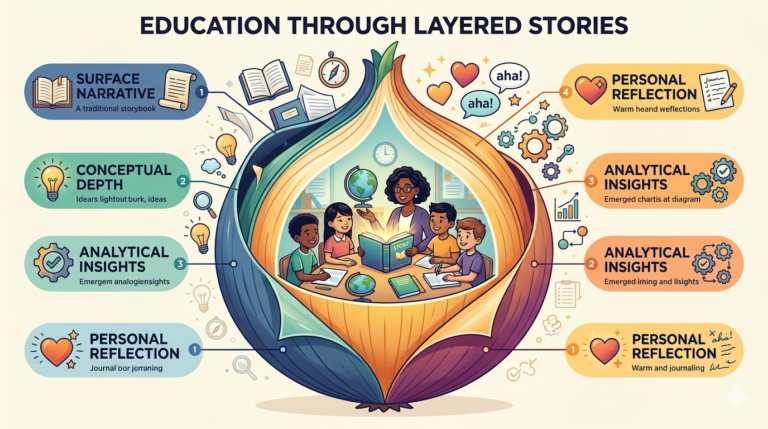
Storytelling has evolved far beyond simple, linear narratives. Today’s most compelling content—whether in films, books, or marketing—often uses layered storytelling to engage audiences on multiple levels. By weaving together different meanings, timelines, or perspectives, creators can build richer and more memorable experiences.
In this article, we’ll explore powerful Layered Storytelling Examples, understand how this technique works, and learn how you can apply it to your own content strategy.
What Is Layered Storytelling?
Layered storytelling is a narrative technique where multiple elements—such as themes, timelines, symbolism, or perspectives—are combined to create depth. Instead of presenting a straightforward story, it invites the audience to uncover hidden meanings or connections.
Think of it like a cake: the top layer is the visible story, while deeper layers add flavor, complexity, and emotional impact. This approach is widely used in films, literature, advertising, and even brand storytelling.
Why Layered Storytelling Works
Layered storytelling captures attention because it mirrors how people think and feel. Audiences enjoy discovering meaning rather than being told everything directly.

Here’s why it’s effective:
- It increases engagement by encouraging interpretation.
- It creates emotional depth through multiple perspectives.
- It improves retention because complex stories are more memorable.
- It adds rewatch or reread value.
- It strengthens brand identity when used in marketing.
Many successful brands and creators rely on Layered Storytelling Examples to connect with audiences in meaningful ways.
Types of Layered Storytelling
Not all layered stories are built the same. Different approaches can be used depending on your goals.
- Thematic layering: Multiple themes running simultaneously, such as love, loss, and ambition.
- Timeline layering: Stories told across different time periods.
- Perspective layering: Events shown from different viewpoints.
- Symbolic layering: Hidden meanings conveyed through symbols or metaphors.
- Narrative framing: A story within a story.
Each of these techniques appears in well-known Layered Storytelling Examples across industries.
Table: Common Layered Storytelling Techniques
| Technique | Description | Example Use Case |
|---|---|---|
| Thematic Layering | Multiple themes in one narrative | Films exploring love and identity |
| Timeline Layering | Past and present intertwined | Biographical storytelling |
| Perspective Layering | Multiple viewpoints of same event | Crime or mystery stories |
| Symbolic Layering | Hidden meanings through visuals or dialogue | Brand storytelling and ads |
| Narrative Framing | Story within another story | Documentaries and memoir-style content |
Powerful Layered Storytelling Examples
Let’s explore some impactful Layered Storytelling Examples that demonstrate how this technique works in practice.
- Inception (Film)
Christopher Nolan’s Inception is one of the most iconic layered narratives. It operates on multiple dream levels, each with its own timeline and rules. At the same time, it explores deeper themes like guilt, memory, and reality.
The surface story is about a heist, but the emotional core revolves around the protagonist’s unresolved trauma. This dual-layer structure keeps viewers engaged and encourages multiple viewings.
- The Great Gatsby (Literature)
F. Scott Fitzgerald’s novel works on several layers. On the surface, it tells a story of wealth and romance. Beneath that, it critiques the American Dream and social class divisions.
Symbolism plays a major role—the green light, for example, represents hope and unattainable dreams. This makes it one of the most studied Layered Storytelling Examples in literature.
- Apple Advertising Campaigns
Apple frequently uses layered storytelling in its ads. A simple product demonstration often carries deeper messages about creativity, individuality, and innovation.
For instance, an ad showing someone creating music on an iPhone is not just about the device—it’s about empowerment and artistic expression.
- Breaking Bad (TV Series)
Breaking Bad combines character transformation with moral complexity. The surface layer follows a chemistry teacher turned drug manufacturer, but deeper layers explore identity, pride, and consequences.
The use of color symbolism and character arcs adds further depth, making it a standout among Layered Storytelling Examples in television.
- Nike Brand Storytelling
Nike’s campaigns often blend personal stories with universal themes like perseverance and resilience. A single ad might show an athlete’s journey while subtly reinforcing the brand’s core message: “Just Do It.”
This dual-layer communication is highly effective in marketing.
How to Use Layered Storytelling in Content Marketing
If you’re a digital marketer or content creator, layered storytelling can significantly improve your results.

Here’s how to apply it:
Start with a clear surface story
Your audience should understand the main message easily. This could be a product benefit, a customer story, or a problem-solution narrative.
Add a deeper emotional layer
Connect the story to universal human experiences—fear, ambition, success, or transformation.
Use symbolism and visuals
Images, colors, and metaphors can communicate meaning without explicit explanation.
Incorporate multiple perspectives
Show how different people experience the same product or service.
Align with your brand identity
Every layer should reinforce your brand values and positioning.
Many successful Layered Storytelling Examples in marketing follow this structure to increase conversions and engagement.
Example: Layered Storytelling in a Landing Page
Imagine you’re creating a landing page for a fitness program.
- Surface layer: A program that helps users lose weight.
- Emotional layer: A journey toward confidence and self-worth.
- Symbolic layer: Before-and-after images representing transformation.
- Perspective layer: Testimonials from different users.
This multi-layered approach makes the page more persuasive and relatable.
Common Mistakes to Avoid
While layered storytelling is powerful, it can backfire if done incorrectly.
- Overcomplicating the narrative: Too many layers can confuse the audience.
- Losing the main message: The core story should always be clear.
- Forcing symbolism: If it feels unnatural, it weakens the story.
- Ignoring audience intent: Not every audience wants deep analysis.
- Inconsistent messaging: All layers must align with your brand.
Avoiding these pitfalls ensures your storytelling remains effective.
How Layered Storytelling Boosts SEO and Engagement
Layered storytelling isn’t just about creativity—it also has practical benefits for SEO and user engagement.
- It increases time on page as users explore deeper meaning.
- It reduces bounce rate by capturing attention quickly.
- It improves shareability due to emotional impact.
- It enhances brand recall through memorable narratives.
- It supports long-form content strategies.
Using Layered Storytelling Examples in blog posts, videos, and ads can give your content a competitive edge.
Future of Layered Storytelling
As AI and interactive media continue to evolve, layered storytelling will become even more dynamic. Personalized narratives, interactive videos, and immersive experiences will allow users to explore different layers based on their preferences.
For marketers, this means greater opportunities to create highly engaging and customized content.
Frequently Asked Questions
What is layered storytelling?
Layered storytelling is a technique that combines multiple narrative elements like themes, timelines, or perspectives. It creates deeper meaning beyond the surface story.
Why is layered storytelling important?
It boosts engagement by making content more interactive and thought-provoking. Audiences connect more deeply with multi-dimensional narratives.
Where is layered storytelling commonly used?
It is widely used in films, books, advertising, and content marketing. Brands use it to communicate messages more effectively.
How can marketers use layered storytelling?
Marketers can combine emotional appeal, visuals, and user perspectives in one campaign. This helps improve conversions and brand recall.
What are examples of layered storytelling?
Popular examples include movies like Inception and shows like Breaking Bad. Many brand campaigns also use layered storytelling techniques.
Conclusion
Layered storytelling transforms simple narratives into powerful experiences. By combining multiple elements—such as themes, perspectives, and symbolism—you can create content that resonates deeply with your audience.
Whether you’re producing a blog post, running ad campaigns, or building a brand, learning from proven Layered Storytelling Examples can help you stand out in a crowded digital landscape.
The key is balance: keep the surface story clear while adding meaningful depth underneath. When done right, layered storytelling doesn’t just inform—it captivates.