Storytelling has always been the backbone of human communication, but in 2026, the rules have changed dramatically. With shrinking attention spans, AI-generated content flooding the web, and platforms favoring immersive experiences, brands and creators must rethink how they tell stories. The rise of Modern Storytelling Techniques 2026 reflects this shift—where engagement, personalization, and authenticity are no longer optional but essential.
In today’s digital landscape, storytelling is no longer confined to long-form blogs or static videos. It’s dynamic, multi-platform, and often interactive. Whether you’re a content marketer, YouTuber, or business owner, understanding these modern techniques can significantly improve your reach, engagement, and conversions.
The Evolution of Storytelling in the Digital Age
Traditional storytelling relied heavily on linear narratives—beginning, middle, and end. While that structure still holds value, Modern Storytelling Techniques 2026 emphasize non-linear, fragmented, and platform-specific narratives.
Audiences now consume content across multiple touchpoints—Instagram Reels, YouTube Shorts, blogs, podcasts, and even AI chat interfaces. This means your story must be adaptable and consistent across all channels.
For example, a brand launching a product might:
- Tease it with short-form videos
- Share behind-the-scenes clips
- Publish a detailed blog post
- Use AI chatbots to personalize user experiences
This interconnected approach creates a cohesive narrative ecosystem rather than a single story.
Key Elements of Modern Storytelling
To succeed with Modern Storytelling Techniques 2026, you need to focus on a few core elements that define today’s most effective content strategies.

- Authenticity: Audiences can easily detect generic or AI-spun content. Real stories, real experiences, and transparency build trust.
- Personalization: AI tools now allow hyper-targeted storytelling based on user behavior, preferences, and demographics.
- Interactivity: Polls, quizzes, AR filters, and clickable narratives keep users engaged.
- Visual-first approach: Video, motion graphics, and interactive visuals dominate over plain text.
- Emotional connection: Stories that evoke emotions—curiosity, empathy, excitement—perform significantly better.
These elements ensure your content doesn’t just get seen but remembered.
Comparison: Traditional vs Modern Storytelling
Here’s a quick breakdown to understand the shift:
| Aspect | Traditional Storytelling | Modern Storytelling Techniques 2026 |
|---|---|---|
| Format | Linear, long-form | Multi-platform, fragmented |
| Audience Role | Passive | Interactive and participatory |
| Content Type | Text-heavy | Visual, video, AI-enhanced |
| Personalization | Minimal | Highly personalized |
| Distribution | Single channel | Omnichannel approach |
| Feedback Loop | Slow | Real-time analytics and adaptation |
This evolution highlights why adapting to Modern Storytelling Techniques 2026 is critical for staying competitive.
The Role of AI in Storytelling
Artificial intelligence has transformed storytelling from a creative-only process into a data-driven strategy. AI tools can now:
- Generate content ideas based on trends
- Personalize narratives for individual users
- Analyze audience engagement in real-time
- Optimize headlines, hooks, and CTAs
However, relying solely on AI can backfire. The most successful creators blend AI efficiency with human creativity. Think of AI as your assistant, not your storyteller.
For instance, you might use AI to draft a script but add personal anecdotes, humor, and insights to make it unique and relatable.
Short-Form Content Dominance
One of the most defining aspects of Modern Storytelling Techniques 2026 is the dominance of short-form content. Platforms like TikTok, Instagram Reels, and YouTube Shorts have reshaped how stories are told.
Instead of lengthy narratives, creators now focus on:
- Hooking the audience within the first 3 seconds
- Delivering value quickly
- Encouraging interaction (likes, comments, shares)
A compelling short-form story might look like this:
- Hook: “I lost $10,000 on ads—here’s what I learned.”
- Build-up: Quick explanation of the mistake
- Resolution: Actionable tip or insight
- CTA: Invite engagement or follow
This structure keeps users engaged while delivering immediate value.
Interactive and Immersive Storytelling
Another major trend in Modern Storytelling Techniques 2026 is interactivity. Audiences no longer want to just consume content—they want to participate in it.
Interactive storytelling includes:
- Choose-your-own-adventure content
- Live Q&A sessions
- Poll-based story progression
- Gamified experiences
For example, an e-commerce brand might let users vote on product features or designs, making them feel part of the story. This not only boosts engagement but also builds stronger brand loyalty.
The Power of Micro-Stories
Micro-stories are short, impactful narratives that deliver a message in seconds. They are especially effective in today’s fast-paced digital environment.
Instead of telling one long story, brands now break it into multiple micro-stories across platforms. Each piece contributes to a larger narrative.
For example:
- A tweet sharing a quick insight
- A reel showing a customer reaction
- A blog post diving deeper into the story
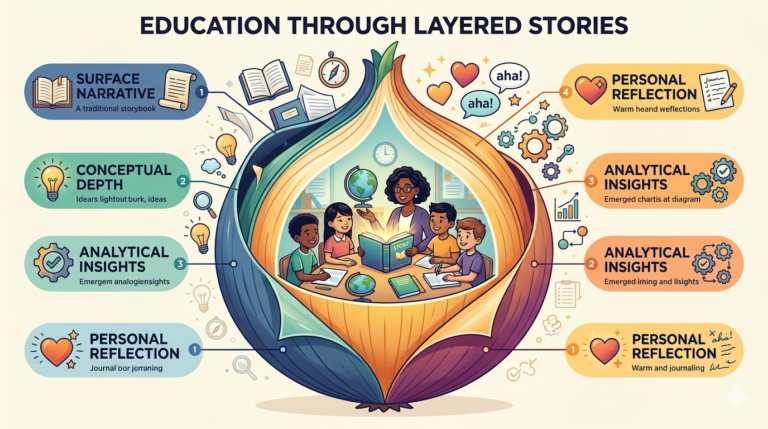
This layered approach keeps your audience engaged over time and across channels.
Building a Story-Driven Brand
To truly leverage Modern Storytelling Techniques 2026, you need to integrate storytelling into your brand identity—not just your content.
Here’s how:
- Define your core narrative: What does your brand stand for?
- Identify your audience’s pain points and desires
- Create consistent messaging across all platforms
- Use storytelling in ads, emails, and landing pages
For digital marketers like you, this is especially powerful. Instead of just selling services, you can share client success stories, campaign journeys, and behind-the-scenes processes to build credibility and trust.
Data-Driven Storytelling
Modern storytelling is not just creative—it’s analytical. Data plays a crucial role in shaping and refining your narratives.

Key metrics to track:
- Engagement rate
- Watch time
- Click-through rate
- Conversion rate
By analyzing these metrics, you can identify what resonates with your audience and adjust your storytelling strategy accordingly.
For example, if short-form videos outperform blog content, you can shift your focus while still supporting it with SEO-driven articles.
Common Mistakes to Avoid
Even with the rise of Modern Storytelling Techniques 2026, many creators fall into common traps:
- Overusing AI without adding a human touch
- Ignoring audience feedback
- Focusing on quantity over quality
- Failing to adapt content for different platforms
- Neglecting emotional connection
Avoiding these mistakes can significantly improve your storytelling effectiveness.
Future Trends in Storytelling
Looking ahead, storytelling will continue to evolve with technology. Some emerging trends include:
- AI-generated personalized video stories
- Virtual and augmented reality experiences
- Voice-based storytelling through smart devices
- Real-time adaptive content based on user behavior
Staying ahead of these trends will give you a competitive edge in content marketing and brand building.
Frequently Asked Questions
What are Modern Storytelling Techniques 2026?
Modern Storytelling Techniques 2026 focus on interactive, short-form, and personalized content. They combine AI, data, and creativity to engage audiences across multiple platforms. These techniques prioritize experience over traditional linear storytelling.
Why is short-form content important in modern storytelling?
Short-form content captures attention quickly in a fast-scrolling environment. It delivers value within seconds, improving engagement and retention. Platforms like TikTok and Reels make it essential for visibility.
How does AI impact storytelling?
AI helps generate ideas, personalize content, and analyze audience behavior. It allows creators to scale content production efficiently. However, human creativity is still needed for authenticity and emotional depth.
How can businesses use Modern Storytelling Techniques 2026?
Businesses can use storytelling in ads, blogs, and social media to connect with audiences. Sharing real experiences, case studies, and behind-the-scenes content builds trust. Consistent storytelling also strengthens brand identity.
What are common mistakes in modern storytelling?
Common mistakes include overusing AI content without personalization. Ignoring audience engagement data can reduce effectiveness. Lack of emotional connection also leads to lower impact and retention.
Final Thoughts
Modern Storytelling Techniques 2026 are not just about creating content—they’re about creating experiences. The brands and creators who succeed will be those who can combine creativity, technology, and authenticity to tell stories that truly resonate.
By embracing these techniques, you can transform your content strategy, increase engagement, and build a stronger connection with your audience in an increasingly competitive digital landscape.