
Case studies have long been used as a powerful way to demonstrate results, tell stories, and build trust. But in today’s complex and competitive landscape, a single perspective often isn’t enough. That’s where the Case Studies Multi-Angle Approach comes in—a method that transforms a standard case study into a richer, more persuasive narrative by exploring multiple viewpoints, layers, and dimensions of a single success story.
Instead of presenting a flat, one-dimensional account, this approach dives deeper. It examines the same scenario through different lenses: the client’s perspective, the business impact, the technical execution, and even the emotional journey. The result is not just more content, but more meaningful content—content that resonates with different types of audiences simultaneously.
What Is a Multi-Angle Case Study?
At its core, the Case Studies Multi-Angle Approach is about storytelling with depth. Rather than focusing solely on the problem-solution-result format, it expands the narrative into multiple angles that highlight various aspects of the experience.
For example, a traditional case study might say:
A company increased its revenue by 40% after implementing a new strategy.
A multi-angle version would explore:
- What challenges the company faced internally before the change
- How the decision-makers evaluated options
- The emotional stakes involved
- The implementation process step-by-step
- The measurable and intangible outcomes
This layered storytelling makes the case study more relatable and more credible.
Why This Approach Matters Today
Audiences have become more skeptical and more informed. A simple success claim is rarely enough to convince someone. People want context, transparency, and proof.
The Case Studies Multi-Angle Approach works because it:
- Builds trust through transparency
- Appeals to both logical and emotional decision-making
- Addresses different audience concerns in one piece
- Creates a more immersive and engaging experience
For businesses, this means higher credibility. For readers, it means better understanding.
Key Angles to Include
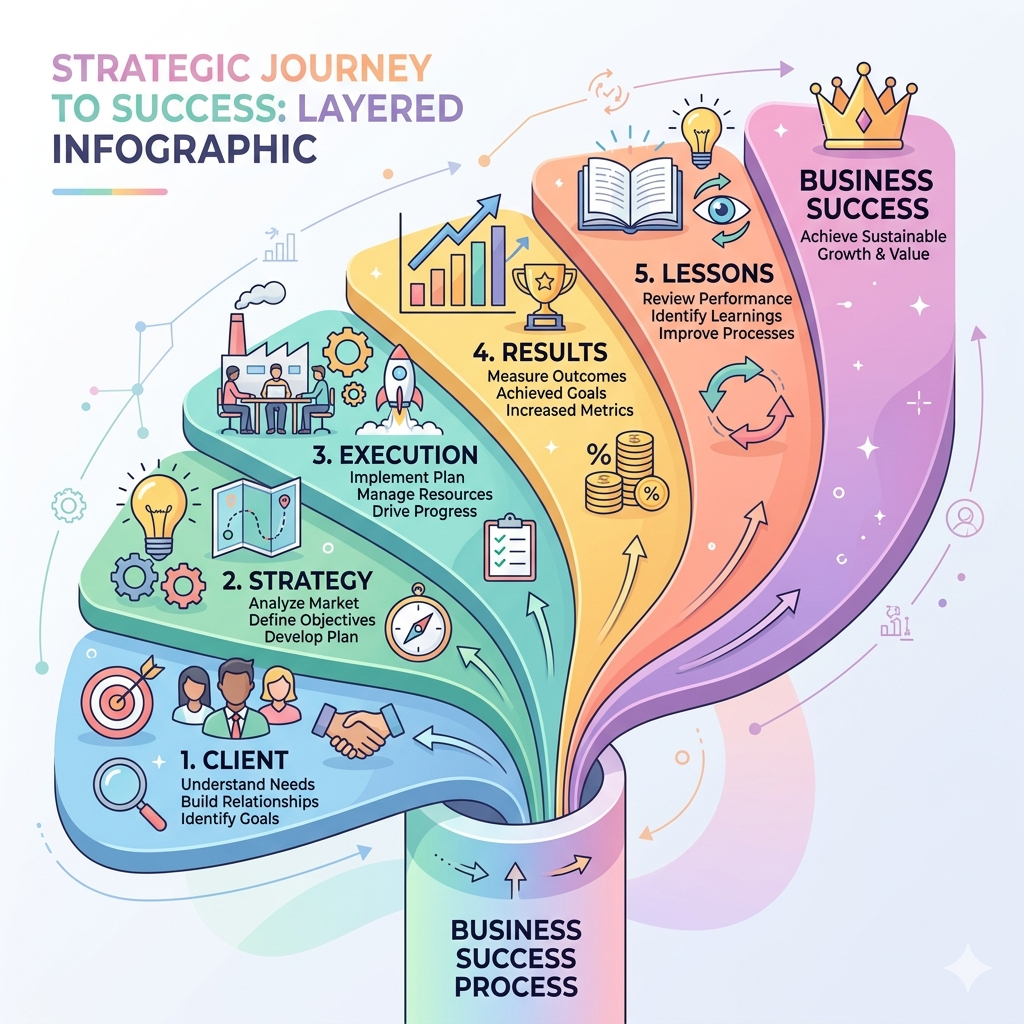
A strong multi-angle case study doesn’t just add fluff—it adds perspective. Here are the most impactful angles to consider:
- The Client Perspective: What the client was experiencing before, during, and after the process.
- The Problem Breakdown: A deeper look at the root causes, not just surface-level issues.
- The Strategic Thinking: Why certain decisions were made and what alternatives were considered.
- The Execution Process: How the solution was implemented in real terms.
- The Results and Impact: Both quantitative results and qualitative changes.
- The Lessons Learned: Insights that can help others in similar situations.
When combined, these angles form a complete story rather than a simple report.
Traditional vs Multi-Angle Case Studies
Here’s a clear comparison to understand the difference:
| Aspect | Traditional Case Study | Multi-Angle Case Study |
|---|---|---|
| Structure | Linear (Problem → Solution → Result) | Layered and multidimensional |
| Depth | Surface-level insights | Deep exploration of context and decisions |
| Audience Appeal | Narrow | Broad (appeals to different mindsets) |
| Engagement | Informational | Narrative-driven and engaging |
| Credibility | Moderate | High due to transparency |
| Emotional Connection | Limited | Strong |
This shift in format is what makes the Case Studies Multi-Angle Approach significantly more impactful.
How to Build a Multi-Angle Case Study
Creating this type of case study requires a shift in thinking. Instead of asking “What happened?”, you ask “What happened from every important perspective?”
Start by gathering detailed information:
- Interview stakeholders from different roles
- Collect both data and personal experiences
- Identify key turning points in the story
Then structure your content in a way that flows naturally between angles. Avoid making it feel fragmented—each perspective should connect to the overall narrative.
For instance, you might begin with the client’s struggle, move into the strategic decisions, then transition into execution, and finally wrap up with results and reflections.
A Practical Example
Imagine a small e-commerce brand struggling with declining sales.
A traditional case study might say:
Sales dropped by 30%, a new strategy was implemented, and revenue increased by 50%.
But using the Case Studies Multi-Angle Approach, the story becomes far more compelling:
- The founder shares their frustration and uncertainty during the decline
- Data reveals underlying issues like poor customer retention
- Strategic decisions are explained, including why certain tactics were rejected
- The implementation process highlights challenges and adjustments
- Results show not just revenue growth but improved customer loyalty
- Lessons offer actionable insights for similar businesses
This version doesn’t just inform—it connects.
Common Mistakes to Avoid
While this approach is powerful, it can go wrong if not executed carefully.

- Overcomplicating the story: Adding angles should enhance clarity, not confuse the reader
- Ignoring narrative flow: Multiple perspectives must still feel cohesive
- Focusing only on positives: Authenticity comes from showing challenges too
- Skipping real insights: Depth matters more than length
The goal is not to add more content, but to add more meaning.
Where This Approach Works Best
The Case Studies Multi-Angle Approach is especially effective in scenarios where trust and understanding are critical.
It works well for:
- Service-based businesses
- High-ticket products or solutions
- Complex problem-solving industries
- Personal brand storytelling
- Consulting and advisory services
In these contexts, decisions are rarely made based on a single factor. A multi-angle case study reflects that complexity.
The Psychology Behind It
People process information differently. Some rely on data, others on stories, and many need both.
This approach taps into multiple cognitive triggers:
- Logic through data and structured explanation
- Emotion through personal experiences and struggles
- Trust through transparency and detail
By addressing all three, the Case Studies Multi-Angle Approach becomes more persuasive without being forceful.
Making It Engaging
To keep readers engaged:
- Use real quotes or paraphrased insights
- Include mini turning points in the story
- Balance technical details with human elements
- Maintain a conversational tone
Think of it less like a report and more like a guided story.
Frequently Asked Questions
What is the Case Studies Multi-Angle Approach?
It is a method of creating case studies by exploring multiple perspectives like strategy, execution, and results.
This makes the content more detailed, engaging, and trustworthy.
Why is the Case Studies Multi-Angle Approach important?
It helps build credibility by showing a complete story instead of just outcomes.
Readers can better understand the process and connect with the experience.
How is it different from traditional case studies?
Traditional case studies focus on a simple problem-solution-result format.
This approach adds depth by including multiple viewpoints and insights.
Who should use the Case Studies Multi-Angle Approach?
Businesses offering services, consulting, or complex solutions benefit the most.
It is ideal when trust and detailed explanation are important for decision-making.
Does the Case Studies Multi-Angle Approach improve engagement?
Yes, it keeps readers interested by combining storytelling with real insights.
It appeals to both emotional and logical thinking styles.
Final Thoughts
Case studies are no longer just proof—they are storytelling tools. And storytelling, when done right, can influence decisions, build trust, and create lasting impressions.
The Case Studies Multi-Angle Approach elevates this process by turning a simple success story into a complete experience. It allows readers to see not just what worked, but why it worked, how it felt, and what it means for them.
In a world where attention is limited and skepticism is high, depth wins. And this approach delivers exactly that.