
The modern workplace is evolving faster than ever, shaped by technology, employee expectations, and global economic shifts. As organizations prepare for the future, understanding Workplace Trends 2026 is no longer optional—it’s essential for survival and growth.
From hybrid work models to AI-driven productivity, companies that adapt early will gain a competitive edge. In this article, we’ll explore the most important shifts defining the future of work and how businesses can align their strategies accordingly.
The Rise of Hybrid Work as the Default Model
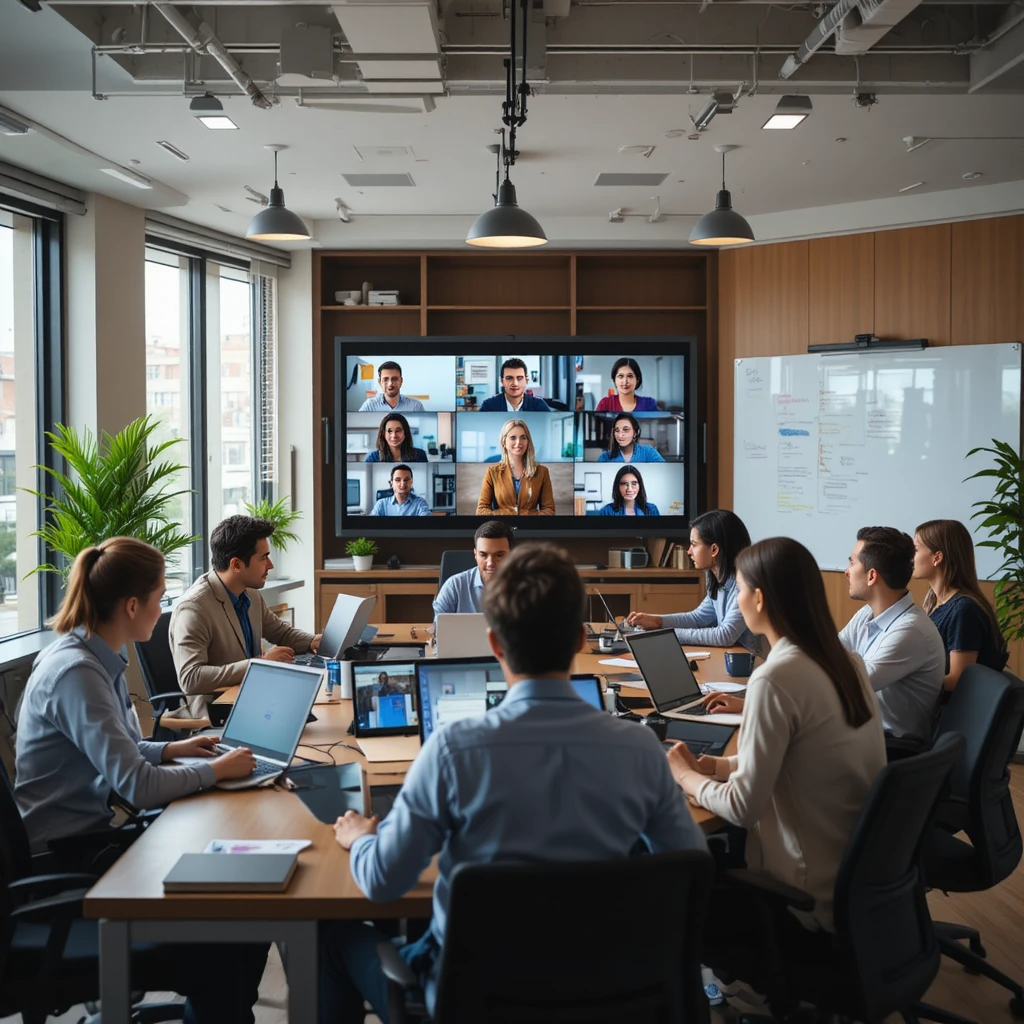
One of the most defining aspects of Workplace Trends 2026 is the normalization of hybrid work. What started as a pandemic-driven necessity has now become a long-term expectation.
Employees demand flexibility, and companies are responding by offering a mix of remote and in-office options. However, hybrid work is no longer just about location—it’s about designing workflows that support collaboration regardless of where employees are.
Organizations are investing in:
- Cloud-based collaboration tools
- Virtual meeting optimization
- Digital performance tracking systems
Companies that fail to optimize hybrid environments risk reduced productivity and employee dissatisfaction.
AI Integration in Daily Workflows
Artificial intelligence is no longer a futuristic concept—it’s embedded in everyday business operations. A key component of Workplace Trends 2026 is the widespread use of AI to automate repetitive tasks and enhance decision-making.

AI is transforming areas such as:
- Customer support through chatbots
- Marketing automation and personalization
- Data analysis and forecasting
Rather than replacing jobs, AI is reshaping roles. Employees are now expected to work alongside intelligent systems, focusing more on strategic and creative tasks.
For example, a digital marketing agency might use AI tools to generate ad copy variations, analyze campaign data, and predict customer behavior—all in real time.
Skills Over Degrees: The Shift in Hiring
Traditional hiring models are being replaced by skills-based recruitment. Employers are prioritizing practical abilities over formal education, making this one of the most impactful Workplace Trends 2026.
This shift is driven by:
- Rapid technological changes requiring up-to-date skills
- The rise of online learning platforms
- The need for specialized expertise
Companies now assess candidates through:
- Skill tests
- Portfolio reviews
- Real-world problem-solving tasks
This approach not only broadens the talent pool but also ensures that hires can deliver immediate value.
Employee Well-being as a Business Priority
Employee well-being is no longer a “nice-to-have”—it’s a business necessity. Another critical aspect of Workplace Trends 2026 is the emphasis on mental health, work-life balance, and overall employee satisfaction.
Organizations are implementing:
- Flexible working hours
- Mental health support programs
- Wellness benefits and initiatives
Burnout has become a major concern, especially in high-performance environments. Companies that actively support employee well-being see higher retention rates and improved productivity.
The Evolution of Workplace Technology
Technology continues to redefine how work gets done. In Workplace Trends 2026, digital transformation goes beyond basic tools—it involves creating fully connected ecosystems.
Here’s a comparison of traditional vs modern workplace technologies:
| Aspect | Traditional Workplace | Modern Workplace (2026) |
|---|---|---|
| Communication | Emails, phone calls | Real-time messaging, video collaboration |
| Data Storage | Local servers | Cloud-based systems |
| Project Management | Manual tracking | AI-powered project tools |
| Performance Tracking | Annual reviews | Continuous feedback systems |
| Security | Basic firewalls | Advanced cybersecurity & zero-trust models |
This transformation allows businesses to operate more efficiently while maintaining agility in a competitive market.
The Gig Economy and Flexible Talent Models
Freelancing and contract work are becoming mainstream. One of the emerging Workplace Trends 2026 is the adoption of flexible talent models.

Companies are increasingly hiring:
- Freelancers
- Consultants
- Remote specialists
This approach provides several advantages:
- Reduced overhead costs
- Access to global talent
- Scalability based on project needs
For example, a company launching a new product might hire freelance designers, marketers, and developers instead of building a full-time team.
Diversity, Equity, and Inclusion (DEI) as Core Strategy
Diversity is no longer just a compliance requirement—it’s a strategic advantage. Businesses are embedding DEI into their core operations as part of Workplace Trends 2026.
Inclusive workplaces lead to:
- Better decision-making
- Higher innovation
- Improved employee engagement
Organizations are focusing on:
- Diverse hiring practices
- Inclusive leadership training
- Equal growth opportunities
Companies that prioritize DEI are more likely to attract top talent and build stronger brand reputations.
Data-Driven Decision Making
Data is at the heart of modern business strategies. Another defining feature of Workplace Trends 2026 is the reliance on data analytics to guide decisions.
Businesses are using data to:
- Measure employee performance
- Optimize marketing campaigns
- Predict customer behavior
- Improve operational efficiency
With advanced analytics tools, companies can make faster and more accurate decisions, reducing risks and increasing ROI.
Sustainability and Green Workplaces
Sustainability is becoming a key consideration in workplace design and operations. As part of Workplace Trends 2026, organizations are adopting eco-friendly practices.
These include:
- Remote work to reduce carbon footprints
- Energy-efficient office spaces
- Sustainable supply chain management
Consumers and employees alike are favoring companies that demonstrate environmental responsibility, making sustainability a competitive advantage.
Leadership in the Modern Workplace
Leadership styles are evolving to meet the demands of a changing workforce. Command-and-control approaches are being replaced by more collaborative and empathetic leadership models.
Modern leaders are expected to:
- Foster transparency
- Encourage innovation
- Support employee growth
They must also manage distributed teams effectively, ensuring alignment and engagement across different locations.
Preparing for the Future
Adapting to Workplace Trends 2026 requires a proactive approach. Businesses must continuously evaluate their strategies, invest in technology, and prioritize employee needs.
Here are a few actionable steps:
- Embrace digital transformation
- Invest in employee training and upskilling
- Build flexible work policies
- Leverage data for decision-making
- Focus on employee well-being
Organizations that stay ahead of these trends will not only survive but thrive in the evolving business landscape.
Frequently Asked Questions
What are the key Workplace Trends 2026 businesses should focus on?
The main trends include hybrid work, AI integration, employee well-being, and skills-based hiring. These factors are shaping how companies operate and compete.
How is AI influencing Workplace ?
AI is automating repetitive tasks and improving decision-making across departments. It allows employees to focus more on strategy and creative work.
Why is hybrid work important in Workplace Trends?
Hybrid work offers flexibility, improving employee satisfaction and productivity. It also helps companies attract and retain top talent globally.
How can businesses adapt to Workplace Trends 2026?
Companies should invest in technology, upskill employees, and adopt flexible work policies. Staying data-driven is also crucial for long-term success.
What role does employee well-being play Workplace?
Employee well-being boosts productivity, engagement, and retention. Organizations now treat it as a core business priority rather than a benefit.
Final Thoughts
The future of work is dynamic, technology-driven, and employee-centric. Understanding and implementing Workplace Trends 2026 will be critical for businesses aiming to remain competitive.
By embracing change and fostering innovation, companies can create workplaces that are not only productive but also sustainable and fulfilling for their employees.

