
Time is the one resource you can never replenish, yet it is often the easiest to waste. In today’s fast-paced digital world, where distractions are constant and expectations are high, mastering Time Management Skills is no longer optional—it is essential. Whether you’re a digital marketer, entrepreneur, student, or freelancer, how you manage your time directly impacts your productivity, income, and overall quality of life.
Why Time Management Matters More Than Ever
Modern work environments demand multitasking, rapid decision-making, and continuous adaptation. Without structured planning, it’s easy to feel overwhelmed. Strong Time Management Skills allow you to stay focused, meet deadlines, and reduce stress.
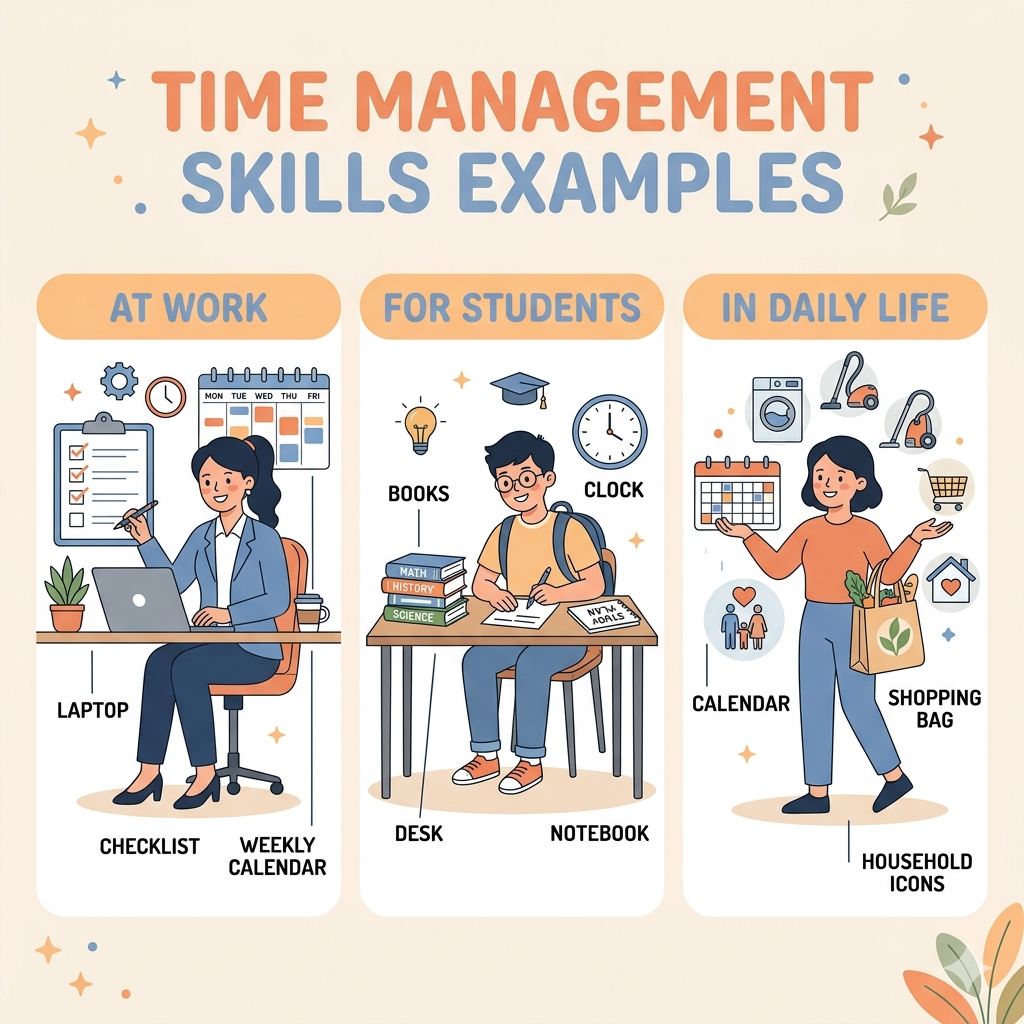
Think of your day as a budget of 24 hours. Just like money, if you don’t allocate it wisely, you’ll run out before achieving your goals. People who consistently perform at a high level don’t necessarily work more hours—they simply use their time better.
The Core Principles of Effective Time Management
To truly master Time Management Skills, you need to understand a few foundational principles that guide productive behavior.
First, clarity is crucial. You need to know exactly what you want to accomplish. Without clear goals, you’ll spend your day reacting instead of acting.
Second, prioritization determines success. Not all tasks carry equal weight. High-value activities—like client acquisition, campaign optimization, or content strategy—should always come before low-impact tasks.
Third, consistency beats intensity. Working 12 hours one day and burning out the next is not sustainable. Instead, structured and repeatable routines help maintain long-term productivity.
Proven Techniques to Improve Time Management
There are countless methods out there, but only a few consistently deliver results. Here are some of the most effective strategies to strengthen your Time Management Skills.
Start with the Eisenhower Matrix. This framework divides tasks into four categories: urgent and important, important but not urgent, urgent but not important, and neither. This helps you eliminate time-wasting activities and focus on what truly matters.
Another powerful method is time blocking. Instead of keeping a long to-do list, assign specific time slots for each task. For example, allocate two hours for SEO research, one hour for client emails, and one hour for campaign analysis. This creates structure and reduces decision fatigue.
The Pomodoro Technique is also highly effective. Work for 25 minutes, then take a 5-minute break. After four sessions, take a longer break. This method helps maintain focus while preventing burnout.
Common Time Management Mistakes
Even experienced professionals struggle with poor time habits. Recognizing these mistakes is the first step toward improvement.
One of the biggest issues is multitasking. While it may feel productive, it actually reduces efficiency and increases errors. Focusing on one task at a time yields better results.
Another mistake is failing to set boundaries. Constant notifications, social media scrolling, and unnecessary meetings can eat up hours of your day. Strong Time Management Skills require you to protect your time aggressively.
Procrastination is another silent killer. Often driven by fear or perfectionism, it delays important tasks and increases stress. Breaking tasks into smaller, manageable steps can help overcome this habit.
Time Management for Digital Marketers and Entrepreneurs
If you’re managing multiple campaigns, clients, and platforms, time can quickly become chaotic. That’s why Time Management Skills are especially critical in digital marketing.
For example, instead of checking Google Ads performance multiple times a day, schedule a fixed analysis window. Similarly, batch content creation tasks—write multiple blog posts or ad copies in one session instead of spreading them across the week.
Automation is your best friend. Use tools for email scheduling, reporting, and social media posting. This reduces manual work and frees up time for strategic thinking.
Also, learn to delegate. If you’re running an agency or multiple projects, not everything needs your direct involvement. Outsourcing repetitive tasks can significantly boost efficiency.
Building a Daily Time Management Routine
A structured routine is the backbone of strong Time Management Skills. Without it, even the best strategies fall apart.
Start your day with a clear plan. Identify your top three priorities—these are non-negotiable tasks that must be completed.
Use the first few hours of your day for deep work. This is when your focus is at its peak. Avoid emails and social media during this time.
Schedule breaks intentionally. Rest is not a waste of time—it’s a productivity tool. Short breaks help reset your mind and maintain energy levels.
At the end of the day, review your progress. What did you accomplish? What can be improved tomorrow? This reflection helps refine your system continuously.
The Role of Technology in Time Management
Technology can either be your biggest distraction or your strongest ally. The key is using it intentionally.
Project management tools like Trello, Asana, or ClickUp help organize tasks and track progress. Calendar apps ensure you never miss deadlines. Time tracking tools like Toggl provide insights into where your time actually goes.
However, too many tools can become overwhelming. Stick to a simple system that supports your workflow rather than complicating it.
Developing Long-Term Time Discipline
Mastering Time Management Skills is not a one-time effort—it’s a continuous process. It requires discipline, self-awareness, and regular adjustments.

Start small. Don’t try to overhaul your entire routine overnight. Implement one or two strategies and build from there.
Stay flexible. Life is unpredictable, and rigid schedules can sometimes backfire. Adapt your plan when necessary, but don’t lose sight of your priorities.
Most importantly, be intentional. Every hour should serve a purpose, whether it’s work, learning, or rest. When you become conscious of how you spend your time, you naturally start making better decisions.
A Practical Example
Imagine you have a typical workday filled with SEO tasks, client communication, and content creation.
Without structure, you might jump between tasks, check emails constantly, and end the day feeling unproductive.
With strong Time Management Skills, your day could look like this:
- 9:00–11:00 AM: Deep work (SEO audits or keyword research)
- 11:00–12:00 PM: Client communication
- 12:00–1:00 PM: Break and recharge
- 1:00–3:00 PM: Content creation or campaign setup
- 3:00–4:00 PM: Performance analysis and reporting
- 4:00–5:00 PM: Planning for the next day
This structured approach ensures that every important task gets the attention it deserves.
Frequently Asked Questions
What are the core Time Management Skills?
Core Time Management Skills include prioritization, goal setting, and avoiding procrastination. These help you focus on high-impact tasks first.
How can students improve Time Management Skills?
Students should use daily schedules, break tasks into chunks, and minimize distractions like social media. Tools like Google Calendar make planning easier.
What tools help build Time Management Skills at work?
Free tools like Trello for task boards, Toggl for tracking, and Notion for planning boost Time Management Skills effectively. They organize workflows without cost.
Why is time blocking key to Time Management Skills?
Time blocking assigns specific slots to tasks, reducing decision fatigue and improving focus. It ensures deep work sessions daily.
How to avoid common pitfalls in Time Management Skills?
Avoid multitasking and endless emails by setting boundaries and using the Pomodoro Technique for focused bursts. Review progress daily.
Final Thoughts
Success is not just about working hard—it’s about working smart. By developing strong Time Management Skills, you gain control over your schedule, reduce stress, and increase your overall effectiveness.
In a world full of distractions and endless tasks, those who master their time will always have a competitive edge. Whether you’re scaling a business, managing clients, or building a personal brand, your ability to manage time will define your results.

